
How Weather Conditions in Lufkin Affect Your Internet Connection
ET
Understanding the Impact of Weather on Internet Connectivity
Living in Lufkin, residents are no strangers to the diverse weather conditions that can affect daily life. From heavy rains to scorching heat, these weather patterns can have a significant impact on various aspects of our lives, including our internet connection. Understanding how weather influences your internet can help you better prepare and maintain a more stable connection.

Rain and Humidity: The Usual Suspects
One of the most common weather conditions in Lufkin is rain, often accompanied by high humidity levels. Rain can interfere with internet connectivity, especially if you rely on satellite or wireless connections. The moisture in the air can disrupt signal transmission, leading to slower speeds or temporary outages. Additionally, water can seep into underground cables, causing damage and further disrupting service.
Humidity also plays a role in connectivity issues. High humidity levels can impact the performance of electronic equipment, including modems and routers. This can lead to overheating or malfunctioning, which in turn affects your internet connection. Ensuring that your equipment is kept in a cool, dry place can help mitigate these issues.
Wind and Storms: Nature's Interruptions
Strong winds and storms are other weather phenomena that can affect internet services in Lufkin. High winds can cause physical damage to cables and infrastructure, leading to outages or degraded performance. Fallen trees and debris can also damage lines or block signals, particularly for above-ground installations.
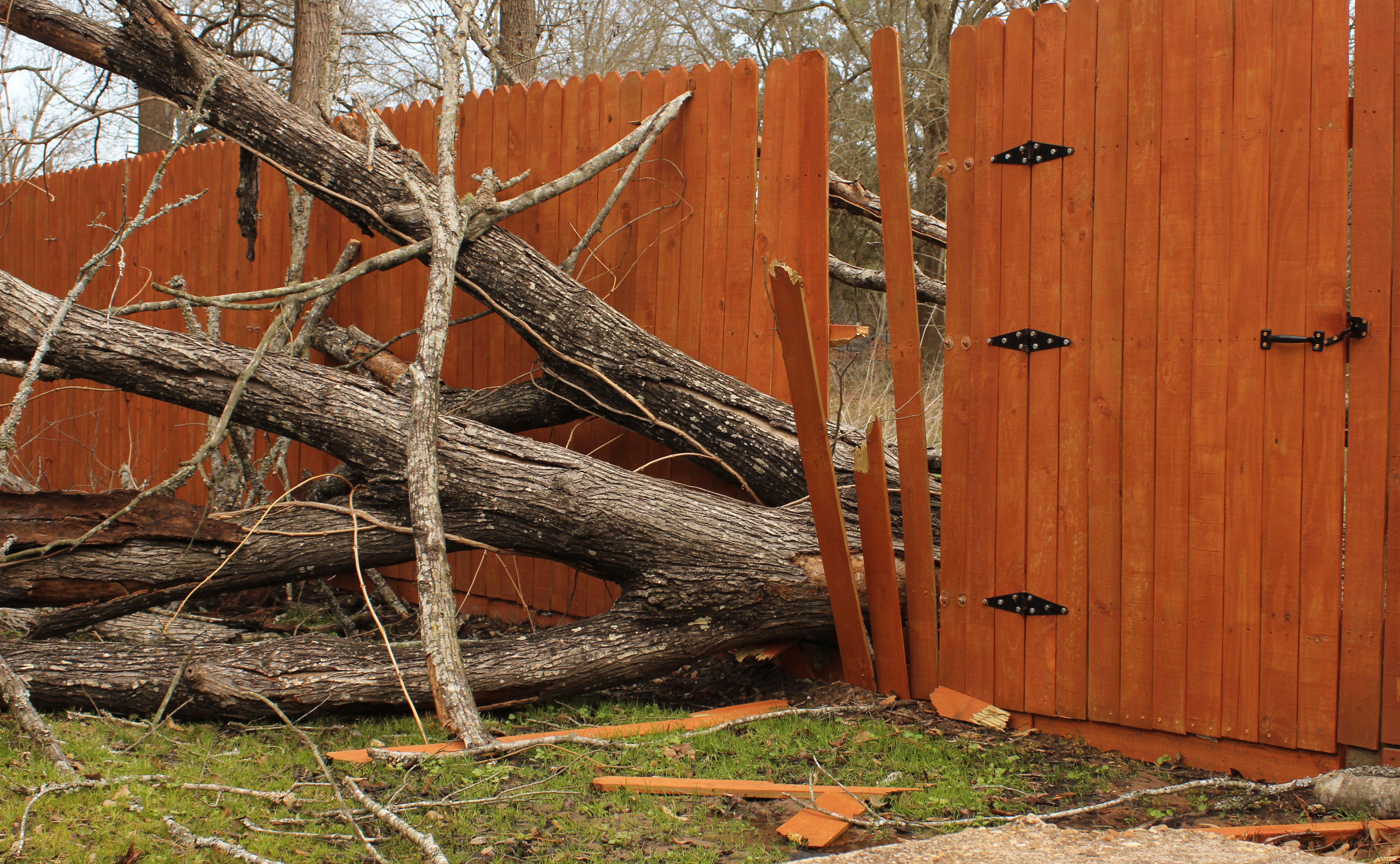
Thunderstorms add another layer of complexity. Lightning strikes can cause power surges that may damage electronic devices, including your internet modem or router. Using surge protectors and unplugging devices during severe storms can help protect your equipment from damage.
Heat Waves: A Hidden Challenge
While rain and storms are obvious disruptors, heat waves can also present challenges for maintaining a stable internet connection. High temperatures can cause equipment to overheat, leading to slower speeds or intermittent connectivity issues. Ensuring proper ventilation and cooling for your devices can reduce the risk of overheating.
Tips for Maintaining Connectivity During Adverse Weather
Despite the challenges posed by Lufkin's weather conditions, there are several steps you can take to maintain a more reliable internet connection:
- Invest in quality equipment: Choose modems and routers designed to withstand temperature fluctuations and humidity.
- Regular maintenance: Check cables and connections regularly for wear and tear, especially after severe weather events.
- Backup plans: Consider having a mobile hotspot or alternative connection method as a backup during outages.

By understanding how different weather conditions affect your internet service, you can take proactive measures to ensure a more consistent and reliable connection. Whether it's preparing for a storm or managing equipment during a heatwave, being informed is key to staying connected in Lufkin's ever-changing climate.